


When it comes to choosing the right windows for your home or commercial building, insulation is a crucial factor to consider. Good insulation can help regulate indoor temperature, reduce energy consumption, and enhance overall comfort. One popular option in the market is aluminum sliding glass windows. As a supplier of Aluminum Sliding Glass Windows, I often get asked: "Do aluminum sliding glass windows provide good insulation?" In this blog post, I'll delve into this question, exploring the factors that affect the insulation performance of aluminum sliding glass windows and how you can optimize them for better energy efficiency.
Understanding the Basics of Insulation in Windows
Before we discuss aluminum sliding glass windows specifically, it's important to understand what insulation means in the context of windows. Insulation in windows refers to their ability to resist the transfer of heat. Heat can transfer through windows in three ways: conduction, convection, and radiation.
- Conduction: This is the transfer of heat through a material. In the case of windows, heat can conduct through the frame and the glass.
- Convection: Convection occurs when heat is transferred by the movement of air. For windows, this can happen when warm air inside the building rises and escapes through gaps or leaks in the window, while cold air from outside rushes in to replace it.
- Radiation: Radiation is the transfer of heat in the form of electromagnetic waves. The sun emits infrared radiation, which can pass through the glass and heat up the interior of the building.
The insulation performance of windows is typically measured by their U-factor and Solar Heat Gain Coefficient (SHGC). The U-factor measures how well a window prevents heat from escaping, with a lower U-factor indicating better insulation. The SHGC measures how much solar radiation is transmitted through the window, with a lower SHGC meaning less solar heat gain.
Insulation Performance of Aluminum Sliding Glass Windows
Aluminum is a highly conductive material, which means it transfers heat easily. This characteristic has led some people to believe that aluminum sliding glass windows do not provide good insulation. However, modern advancements in window technology have addressed this issue, allowing aluminum sliding glass windows to offer competitive insulation performance.

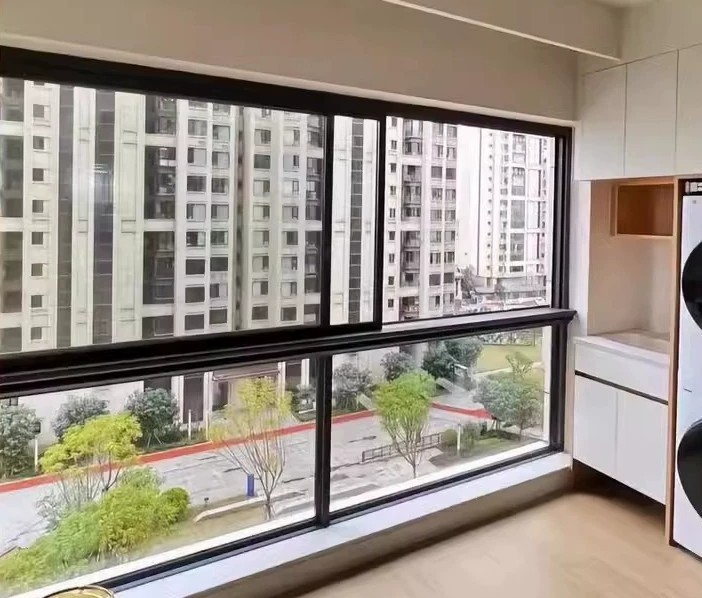
Frame Design and Insulation
One of the key factors affecting the insulation of aluminum sliding glass windows is the frame design. Traditional aluminum frames can conduct heat rapidly, leading to significant heat loss in the winter and heat gain in the summer. To overcome this problem, manufacturers have developed thermal break technology.
A thermal break is a non-conductive material, such as polyamide, that is inserted into the aluminum frame. This break interrupts the flow of heat through the frame, reducing heat transfer and improving insulation. Windows with thermal breaks can have significantly lower U-factors compared to those without. For example, a well-designed aluminum sliding glass window with a thermal break can achieve a U-factor as low as 0.20 - 0.30, which is comparable to the insulation performance of some vinyl or wood windows.
You can learn more about our Aluminum Horizontal Sliding Windows, which are designed with advanced thermal break technology to enhance insulation.
Glass Selection
The type of glass used in aluminum sliding glass windows also plays a crucial role in their insulation performance. Single-pane glass offers very little insulation, as it allows heat to transfer easily through it. Double-pane or triple-pane glass, on the other hand, provides much better insulation.
Double-pane glass consists of two layers of glass separated by a sealed air or gas-filled space. The gas, often argon or krypton, is a poor conductor of heat, which helps to reduce heat transfer through the glass. Triple-pane glass adds an extra layer of glass and gas, further improving insulation.
In addition to multiple-pane glass, low-emissivity (low-e) coatings can be applied to the glass surface. These coatings reflect infrared radiation, reducing the amount of solar heat that enters the building in the summer and preventing heat from escaping in the winter. Windows with low-e coatings and multiple-pane glass can significantly improve the SHGC and U-factor of aluminum sliding glass windows.
Sealing and Weatherstripping
Proper sealing and weatherstripping are essential for preventing air leakage and improving the insulation of aluminum sliding glass windows. High-quality seals and weatherstripping materials can create a tight barrier between the window and the frame, reducing the amount of air that can pass through.
Silicone or EPDM rubber seals are commonly used in aluminum sliding glass windows. These materials are flexible, durable, and resistant to weathering. They can effectively seal gaps and prevent drafts, improving the overall energy efficiency of the window.
Benefits of Aluminum Sliding Glass Windows for Insulation
Despite the initial concerns about aluminum's conductivity, aluminum sliding glass windows offer several benefits for insulation when properly designed and installed.
- Energy Efficiency: With thermal break frames, multiple-pane glass, and low-e coatings, aluminum sliding glass windows can provide excellent energy efficiency. This can lead to significant savings on heating and cooling costs over time.
- Durability: Aluminum is a strong and durable material that can withstand harsh weather conditions. Unlike wood, it does not rot, warp, or decay, and it is resistant to corrosion. This means that aluminum sliding glass windows can maintain their insulation performance for many years without significant degradation.
- Aesthetics: Aluminum sliding glass windows offer a sleek and modern look that can enhance the appearance of any building. They are available in a variety of colors and finishes, allowing you to choose a style that complements your architectural design.
Optimizing Insulation in Aluminum Sliding Glass Windows
If you're considering installing aluminum sliding glass windows, there are several steps you can take to optimize their insulation performance.
- Choose the Right Windows: Look for windows with thermal break frames, multiple-pane glass, and low-e coatings. Check the U-factor and SHGC ratings to ensure they meet your energy efficiency requirements.
- Proper Installation: Improper installation can compromise the insulation performance of windows. Make sure to hire a professional installer who has experience with aluminum sliding glass windows. They will ensure that the windows are installed correctly, with proper sealing and alignment.
- Regular Maintenance: Regular maintenance is important for keeping your windows in good condition. Check the seals and weatherstripping periodically and replace them if they are worn or damaged. Clean the glass and frames regularly to remove dirt and debris, which can affect the performance of the low-e coatings.
Conclusion
In conclusion, aluminum sliding glass windows can provide good insulation when designed and installed correctly. With advancements in technology, such as thermal break frames, multiple-pane glass, and low-e coatings, these windows can offer competitive energy efficiency compared to other window materials. As a supplier of Aluminum Sliding Glass Windows, we are committed to providing high-quality products that meet the insulation needs of our customers.
If you're interested in learning more about our aluminum sliding glass windows or would like to discuss your insulation requirements, please feel free to contact us. We'd be happy to assist you in choosing the right windows for your project and help you achieve optimal energy efficiency.
References
- ASHRAE Handbook of Fundamentals. American Society of Heating, Refrigerating and Air-Conditioning Engineers.
- Window Energy Rating Council (WERC). Window Performance Ratings and Labels.
- National Fenestration Rating Council (NFRC). Understanding Window Ratings.


