


Hey there! As an aluminum sliding window supplier, I've been getting a lot of questions lately about whether these windows need to be sealed regularly. So, I thought I'd take a few minutes to chat about it and share some insights.
First off, let's talk about why sealing matters. Aluminum sliding windows are great for a lot of reasons. They're durable, lightweight, and offer a sleek look that can enhance the aesthetic of any home. But like any other type of window, they're not completely immune to the elements. Over time, exposure to moisture, dirt, and temperature changes can take a toll on the seals around the windows.
When the seals start to wear out, it can lead to a whole host of problems. For one, it can reduce the energy efficiency of your home. Air can leak in and out through the gaps, which means your heating and cooling systems have to work harder to maintain a comfortable temperature. This can result in higher energy bills and a less eco - friendly home.
Another issue is water infiltration. If the seals aren't working properly, rainwater can seep into your home around the windows. This can cause damage to the window frames, the walls around the windows, and even lead to mold and mildew growth. And let's face it, nobody wants that!
So, do aluminum sliding windows need to be sealed regularly? The short answer is yes, they do. But how often you need to do it depends on a few factors.
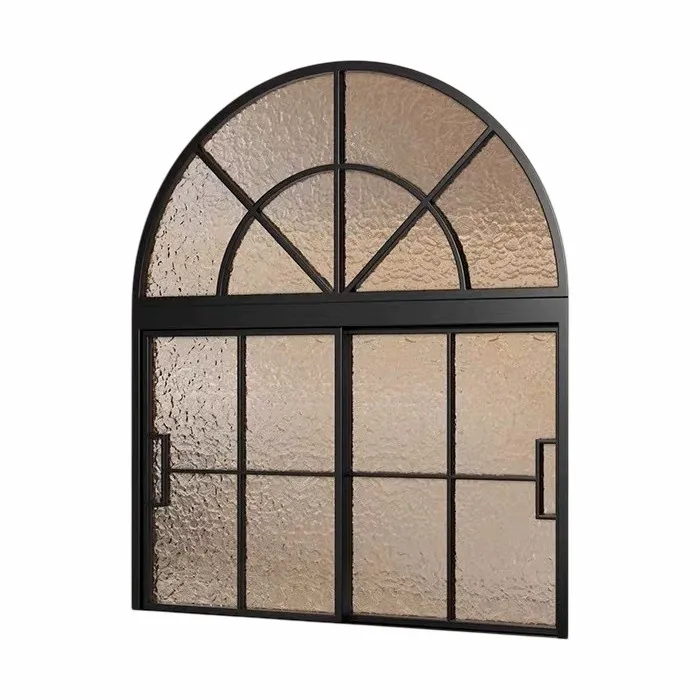

Factors Affecting Sealing Frequency
Location and Climate
If you live in an area with a lot of rain, high humidity, or extreme temperature changes, you'll probably need to seal your windows more often. For example, in coastal areas where saltwater and high humidity are common, the seals can deteriorate faster. On the other hand, if you live in a dry, temperate climate, you might be able to get away with sealing less frequently.
Age of the Windows
Older windows are more likely to need regular sealing. Old Aluminum Sliding Windows that have been around for a while may have seals that are already worn out or damaged. In this case, you may need to seal them every year or even more often. Newer windows, however, may only need to be sealed every few years.
Quality of the Seals
The quality of the original seals on your windows also plays a role. High - quality seals are more durable and can last longer. If your windows came with top - notch seals, you might not need to seal them as often. But if the seals were of poor quality to begin with, you'll likely have to seal them more frequently.
Signs That Your Windows Need Sealing
Drafts
If you can feel a draft around your windows, it's a clear sign that the seals are not working properly. You might notice a cold breeze coming in during the winter or a warm breeze in the summer. This is a sure indication that air is leaking through the gaps, and it's time to seal the windows.
Water Stains
Look for water stains on the window frames or the walls around the windows. If you see any, it means that water is getting in, and the seals need to be checked and replaced if necessary.
Visible Damage to the Seals
Take a close look at the seals around your windows. If you see cracks, tears, or gaps in the seals, it's time to seal them. You can usually spot these issues by just looking at the seals with the naked eye.
How to Seal Aluminum Sliding Windows
Sealing aluminum sliding windows is not a very difficult task, but it does require a bit of time and the right tools. Here's a step - by - step guide:
- Clean the Window Frames
- First, you need to clean the window frames thoroughly. Use a mild detergent and water to remove any dirt, grime, or old sealant. Make sure the frames are completely dry before you start sealing.
- Choose the Right Sealant
- There are many different types of sealants available on the market. For aluminum sliding windows, a silicone - based sealant is usually a good choice. It's flexible, durable, and resistant to water and temperature changes.
- Apply the Sealant
- Use a caulking gun to apply the sealant around the edges of the window frame. Make sure to apply a continuous bead of sealant, and smooth it out with a putty knife or your finger.
- Let the Sealant Dry
- Allow the sealant to dry according to the manufacturer's instructions. This usually takes a few hours to a day, depending on the type of sealant and the environmental conditions.
Benefits of Regular Sealing
Energy Savings
As I mentioned earlier, regular sealing can improve the energy efficiency of your home. By preventing air leaks, your heating and cooling systems don't have to work as hard, which can save you money on your energy bills.
Extended Window Lifespan
Sealing your windows regularly can also extend their lifespan. By protecting the frames from water damage and other elements, you can prevent premature wear and tear, which means your windows will last longer.
Improved Comfort
A well - sealed window can make your home more comfortable. You won't have to deal with drafts or cold spots near the windows, and your home will be more evenly heated and cooled.
Different Types of Aluminum Sliding Windows and Sealing
There are different types of aluminum sliding windows, such as Aluminum Sliding Storm Windows and Aluminum Horizontal Sliding Windows. Each type may have slightly different sealing requirements.
Aluminum sliding storm windows are designed to provide an extra layer of protection against the elements. They usually have more robust seals, but they still need to be checked and sealed regularly. The seals on these windows are exposed to more extreme conditions, so they may wear out faster.
Aluminum horizontal sliding windows are a popular choice for many homes. They operate horizontally, and the seals around the sliding parts need to be in good condition to prevent air and water leakage. Make sure to pay special attention to the seals on the tracks and the edges of the sliding panels.
Conclusion
In conclusion, aluminum sliding windows do need to be sealed regularly. The frequency of sealing depends on factors like your location, the age of the windows, and the quality of the seals. By keeping an eye out for signs of seal damage and sealing your windows when necessary, you can enjoy the many benefits of these windows for years to come.
If you're in the market for new aluminum sliding windows or need advice on sealing your existing ones, I'd love to help. Just reach out, and we can have a chat about your needs. Whether you're looking for high - quality windows or professional sealing services, I'm here to assist you.
References
- Home Improvement Guides: General knowledge on window maintenance and sealing.
- Manufacturer's Instructions: Information on the lifespan and care of window seals.


