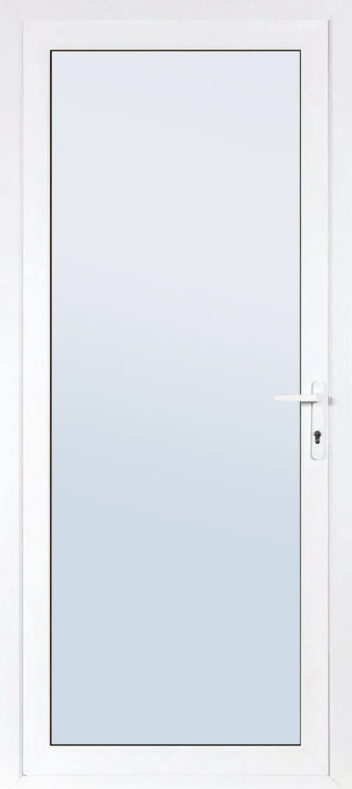
White aluminium bifold doors have become a popular choice for modern homes and commercial buildings due to their sleek appearance, durability, and versatility. One of the key considerations when selecting any type of door is its thermal performance. In this blog post, we'll explore whether white aluminium bifold doors have a thermal break, and why it matters. As a supplier of white aluminium bifold doors, I'm well - versed in the technical aspects of these products and eager to share this knowledge with you.
Understanding Thermal Breaks
Before delving into whether white aluminium bifold doors have a thermal break, it's essential to understand what a thermal break is. A thermal break is a material inserted into the frame of a door or window to reduce the transfer of heat. Aluminium is an excellent conductor of heat, which means that without a thermal break, heat can easily pass through the aluminium frame. This can lead to significant heat loss in the winter and heat gain in the summer, resulting in higher energy bills and reduced comfort inside the building.
A thermal break acts as an insulator, interrupting the flow of heat through the frame. It is typically made of a non - conductive material such as polyamide, which has low thermal conductivity. By adding a thermal break to an aluminium frame, the overall thermal performance of the door or window is greatly improved.
Thermal Breaks in White Aluminium Bifold Doors
Most high - quality white aluminium bifold doors on the market today do come with a thermal break. As a supplier, we understand the importance of energy efficiency and offer products that meet or exceed industry standards. The thermal break in our white aluminium bifold doors is carefully engineered to provide maximum insulation.
The polyamide thermal break is inserted into the aluminium frame during the manufacturing process. It creates a barrier that prevents heat from transferring through the metal. This not only helps to keep the interior of the building at a more consistent temperature but also reduces the formation of condensation on the inside of the door. Condensation can lead to issues such as mould growth and damage to the surrounding walls and floors.
Benefits of Thermal Breaks in White Aluminium Bifold Doors
Energy Efficiency
One of the most significant benefits of having a thermal break in white aluminium bifold doors is improved energy efficiency. By reducing heat transfer, the doors help to keep the building warmer in the winter and cooler in the summer. This means that less energy is required to heat or cool the space, resulting in lower energy bills. Over time, the savings on energy costs can be substantial.
Comfort
A building with thermally efficient doors is more comfortable to live or work in. Without a thermal break, there can be significant temperature differences near the doors, leading to drafts and discomfort. With a thermal break, the interior temperature remains more consistent, providing a more pleasant environment.
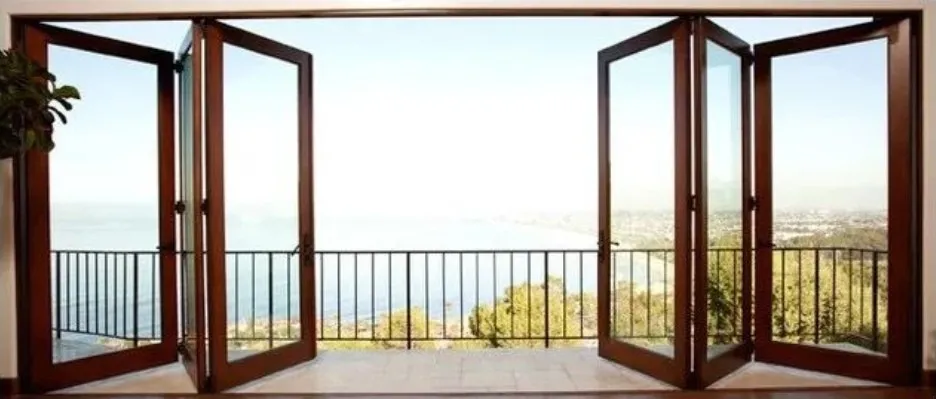

Environmental Impact
Using energy - efficient products like white aluminium bifold doors with thermal breaks is also beneficial for the environment. By reducing energy consumption, we can lower our carbon footprint and contribute to a more sustainable future.
Comparing with Other Door Options
When compared to other types of bifold doors, such as those made of wood or uPVC, white aluminium bifold doors with thermal breaks offer several advantages.
Durability
Aluminium is a highly durable material that is resistant to corrosion, rot, and warping. Unlike wood, which can be damaged by moisture and pests, aluminium doors can withstand harsh weather conditions and require minimal maintenance.
Aesthetics
White aluminium bifold doors provide a modern and sleek look that can enhance the appearance of any building. They are available in a variety of designs and finishes, allowing for customization to suit different architectural styles. In contrast, uPVC doors may not offer the same level of aesthetic appeal.
Strength
Aluminium is a strong material, which means that white aluminium bifold doors can be made larger and more expansive than some other door types. This allows for greater natural light to enter the building and creates a seamless connection between the interior and exterior spaces.
Our Product Range
In addition to our standard white aluminium bifold doors with thermal breaks, we also offer a range of other options to meet different customer needs. For those who prefer a darker color, our Anthracite Grey Bifold Doors provide a sophisticated and contemporary look. These doors also come with a thermal break for optimal energy efficiency.
If you're looking for a more minimalist design, our Ultra Slim Bifold Doors are an excellent choice. The slim profiles of these doors create a sleek and unobtrusive appearance while still offering the same thermal performance benefits.
For larger openings, our 4m Aluminium Bifold Doors are available. These doors are designed to span wide spaces, providing a grand and impressive entrance or connection between rooms.
Conclusion
In conclusion, white aluminium bifold doors typically have a thermal break, which is a crucial feature for energy efficiency, comfort, and environmental sustainability. As a supplier, we are committed to providing high - quality products that meet the needs of our customers. Our range of white aluminium bifold doors, along with other options like anthracite grey, ultra - slim, and 4m doors, offer a combination of style, durability, and thermal performance.
If you're interested in learning more about our white aluminium bifold doors or would like to discuss your specific requirements, we encourage you to get in touch with us. Our team of experts is ready to assist you in finding the perfect door solution for your project. Whether it's for a residential home or a commercial building, we can provide the right products and advice to ensure your satisfaction.
References
- Building Regulations for Energy Efficiency, National Building Codes.
- Aluminium Door Manufacturing Standards, Industry Association Publications.
- Research on Thermal Performance of Building Materials, Academic Journals.