


When it comes to choosing the right swing toilet door for your space, two popular options often stand out: aluminium and wooden doors. As a supplier of Aluminium Swing Toilet Doors, I've had the opportunity to see firsthand the unique characteristics and benefits of each material. In this blog post, I'll compare aluminium swing toilet doors to wooden ones, exploring their differences in terms of durability, maintenance, aesthetics, cost, and more.
Durability
One of the most significant advantages of aluminium swing toilet doors is their exceptional durability. Aluminium is a corrosion - resistant metal, which means it can withstand the humid and often wet conditions typically found in toilet environments without rusting or deteriorating. This makes it an ideal choice for long - term use, especially in high - traffic areas such as public restrooms or commercial buildings.
On the other hand, wooden doors are more susceptible to moisture damage. Over time, exposure to water can cause the wood to warp, swell, or rot. Even with proper sealing and finishing, the risk of water damage remains higher for wooden doors compared to aluminium ones. In addition, wood is also more vulnerable to scratches, dents, and termite infestations, which can compromise its structural integrity and appearance.
For example, in a busy restaurant restroom, an aluminium swing toilet door can endure constant use and exposure to moisture without showing significant wear and tear. In contrast, a wooden door in the same environment may start to show signs of damage within a few months, requiring frequent repairs or even replacement.
Maintenance
Aluminium swing toilet doors are relatively low - maintenance. They can be easily cleaned with a mild detergent and water, and they don't require regular staining, painting, or sealing like wooden doors. The smooth surface of aluminium also makes it resistant to dirt and grime buildup, and any marks or stains can be quickly wiped away.
Wooden doors, however, demand more attention. They need to be periodically sanded, stained, or painted to maintain their appearance and protect them from the elements. In wet environments, the protective finish on wooden doors may wear off more quickly, necessitating more frequent maintenance. Moreover, if a wooden door gets scratched or damaged, it may require professional repair to restore its original look.
Imagine a hotel where guest satisfaction is crucial. An aluminium swing toilet door in the guest bathrooms can be quickly cleaned between guests, ensuring a fresh and clean appearance at all times. A wooden door, on the other hand, would need more time and effort to maintain, which could potentially lead to longer turnaround times between guests.
Aesthetics
Both aluminium and wooden swing toilet doors offer unique aesthetic appeal. Aluminium doors come in a variety of finishes, including brushed, polished, and powder - coated, which can give them a modern, sleek, or industrial look. They are also available in different colors, allowing you to match them with the overall design scheme of your space. For those who prefer a contemporary or minimalist style, aluminium doors can be an excellent choice.
Wooden doors, on the other hand, have a warm, natural charm that can add a touch of elegance and sophistication to any toilet. The grain patterns and textures of different wood species offer a unique and organic look that is hard to replicate with other materials. Whether you choose a light - colored oak or a dark - stained mahogany, wooden doors can create a cozy and inviting atmosphere.
For instance, in a high - end spa, a wooden swing toilet door can enhance the relaxing and luxurious ambiance. In a modern office building, an aluminium swing toilet door with a brushed finish can complement the sleek and minimalist design of the space.
Cost
The cost of an aluminium swing toilet door and a wooden one can vary depending on several factors, such as the quality of the material, the size of the door, and the complexity of the design. Generally speaking, aluminium doors tend to be more cost - effective in the long run. Although the initial purchase price of an aluminium door may be similar to or slightly higher than a wooden door, its durability and low maintenance requirements mean that you'll save money on repairs and replacements over time.
Wooden doors can be more expensive upfront, especially if you choose high - quality hardwoods. In addition, the ongoing maintenance costs of wooden doors can add up over the years. For a budget - conscious project, an aluminium swing toilet door can be a more economical choice without sacrificing too much in terms of style and functionality.
Safety and Functionality
Aluminium swing toilet doors are often designed with safety in mind. They can be equipped with features such as self - closing hinges, which ensure that the door closes securely behind you, preventing the spread of odors and maintaining privacy. The lightweight nature of aluminium also makes it easier to open and close the door, which is especially beneficial for people with limited mobility.
Wooden doors can also be fitted with self - closing hinges, but their heavier weight may make them more difficult to operate, especially for children or the elderly. In addition, in case of a fire, aluminium doors are non - combustible, which can provide an added layer of safety compared to wooden doors, which can burn and contribute to the spread of flames.
Environmental Impact
In terms of environmental impact, both materials have their pros and cons. Aluminium is a highly recyclable material, and many aluminium swing toilet doors are made from recycled aluminium. Recycling aluminium requires significantly less energy than producing new aluminium, making it a more sustainable choice in terms of energy consumption.
Wood is a renewable resource, but the environmental impact of wooden doors depends on how the wood is sourced. If the wood comes from sustainably managed forests, it can be a relatively eco - friendly option. However, deforestation and unsustainable logging practices can have a negative impact on the environment.
Conclusion
In conclusion, both aluminium and wooden swing toilet doors have their own advantages and disadvantages. Aluminium doors are more durable, low - maintenance, cost - effective in the long run, and offer a modern aesthetic. They are also a safer and more environmentally friendly option in many cases. Wooden doors, on the other hand, provide a warm and natural look that can enhance the elegance of a space, but they require more maintenance and may be more vulnerable to damage.
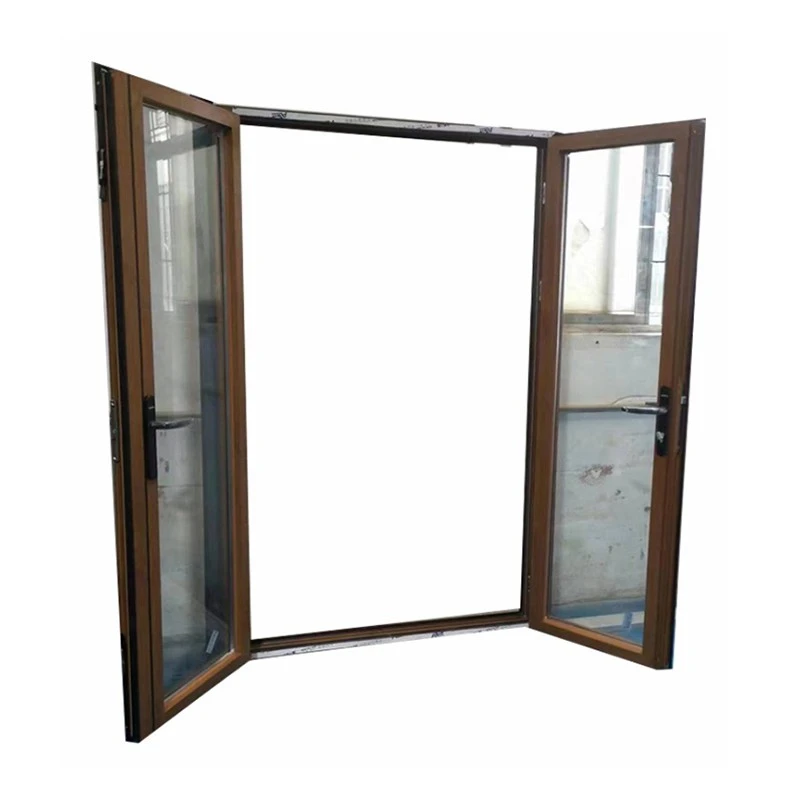
If you're in the market for a swing toilet door and are considering an aluminium option, I invite you to explore our range of products. We offer a variety of Aluminum Double Swing Door, Aluminium Double Hinged Doors, and Aluminium Double Glass Swing Door to suit different needs and preferences. Whether you're working on a commercial project or a residential renovation, we can help you find the perfect aluminium swing toilet door for your space.
If you have any questions or would like to discuss your specific requirements, please don't hesitate to get in touch. We're here to assist you in making the best choice for your project.

References
- "Building Materials Handbook" by Charles A. Hurd
- "The Complete Guide to Door Selection" by Door and Hardware Institute
- "Sustainable Building Materials: Selection and Environmental Impact" by John A. Vanek


