Hey there! As a supplier of Old Aluminum Sliding Windows, I've seen firsthand how important it is to have well - sealed windows. Old aluminum sliding windows are classic and can add a certain charm to a building, but over time, their airtightness can take a nosedive. In this blog, I'm gonna share some practical tips on how to improve the airtightness of these old beauties.
Why Airtightness Matters
Before we jump into the solutions, let's talk about why airtightness is such a big deal. A leaky window can let in cold air during winter and hot air during summer. This means your heating and cooling systems have to work overtime to maintain a comfortable temperature in your home. As a result, you end up with sky - high energy bills. Moreover, poor airtightness can also let in dust, pollen, and noise from the outside, reducing the overall comfort of your living space.
Inspect Your Windows
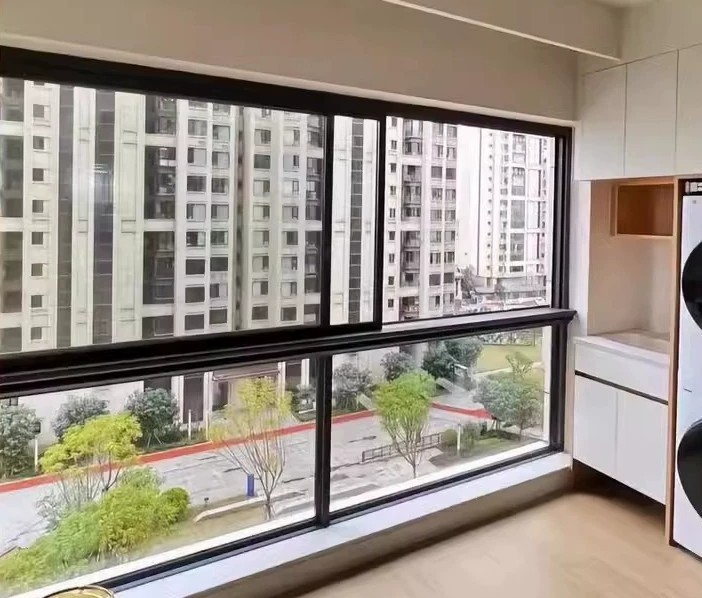
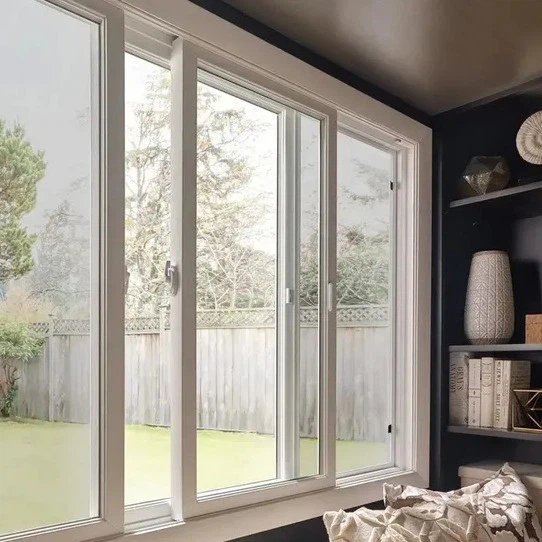
The first step in improving airtightness is to figure out where the leaks are. Start by visually inspecting the windows. Look for any cracks or gaps in the Aluminium Sliding Frame. Check the weatherstripping around the edges of the window sashes. If it's worn out, brittle, or missing in some areas, that's likely a major source of air leakage.
You can also do a simple candle test. On a windy day, light a candle and hold it near the edges of the window. If the flame flickers, it indicates that there's air coming in through a leak. Mark these areas with a piece of tape so you know where to focus your efforts.
Replace Weatherstripping
Weatherstripping is like a sealant that keeps the air from seeping in and out of your windows. Over time, it can wear out, so replacing it is often the most effective way to improve airtightness. You can find weatherstripping at your local hardware store. There are different types available, such as foam, rubber, and vinyl.
Foam weatherstripping is inexpensive and easy to install. It's a good option for small gaps. Rubber weatherstripping is more durable and provides better insulation. Vinyl weatherstripping is also durable and can be a great choice for a long - term solution.
To install the weatherstripping, first, clean the areas where you'll be applying it. Remove any old weatherstripping and debris. Then, cut the new weatherstripping to the appropriate length and press it firmly into place. Make sure it forms a tight seal around the window sash.
Seal Gaps and Cracks
In addition to replacing weatherstripping, you'll need to seal any gaps and cracks in the window frame. You can use caulk for this. Silicone caulk is a popular choice because it's flexible, waterproof, and long - lasting.
Before applying the caulk, use a putty knife to clean out any dirt or old caulk from the gaps. Then, load the caulk into a caulking gun. Cut the tip of the caulk tube at a 45 - degree angle and apply a thin, even bead of caulk into the gap. Use your finger or a caulk smoothing tool to smooth the caulk and ensure a good seal.
For larger cracks, you might need to use expanding foam insulation. This type of insulation expands to fill the gap and provides excellent insulation. Just be careful when using it, as it can expand quite a bit and make a mess if not applied correctly.
Install Window Film
Window film is another option to improve airtightness and insulation. It's a thin, transparent film that you apply to the inside of the window. Window film can reduce heat transfer, block UV rays, and improve the overall energy efficiency of the window.
To install window film, first, clean the window surface thoroughly. Cut the film to the appropriate size, leaving a little extra around the edges. Spray a solution of water and a small amount of dish soap on the window and the adhesive side of the film. Then, carefully apply the film to the window, starting from the top and working your way down. Use a squeegee to remove any air bubbles and smooth out the film.
Upgrade Window Hardware
Sometimes, the problem with airtightness can be due to faulty window hardware. If the locks, handles, or rollers are worn out or not working properly, the window might not close tightly.
Inspect the hardware and replace any parts that are damaged or not functioning correctly. Make sure the locks can be tightened properly to keep the window sash in place. Upgrading to high - quality hardware can make a big difference in the airtightness of your windows.
Consider Double - Glazing
If you're looking for a more comprehensive solution, you might want to consider double - glazing your old aluminum sliding windows. Double - glazing involves adding a second pane of glass to the window, creating an insulating air gap between the two panes.
This significantly improves insulation and airtightness. However, double - glazing can be more expensive and might require professional installation. But in the long run, it can save you a lot of money on energy bills and increase the comfort of your home.
Maintain Your Windows
Once you've improved the airtightness of your windows, it's important to maintain them. Regularly clean the windows and the weatherstripping to prevent dirt and debris from building up. Check the caulk and weatherstripping periodically for signs of wear and tear, and replace them as needed.
By taking good care of your windows, you can ensure that they continue to provide excellent airtightness and insulation for years to come.
Conclusion
Improving the airtightness of old aluminum sliding windows is a worthwhile investment. It can save you money on energy bills, reduce noise, and make your home more comfortable. Whether you choose to replace weatherstripping, seal gaps, install window film, or upgrade to double - glazing, there are plenty of options available to suit your budget and needs.
If you're interested in purchasing high - quality Old Aluminum Sliding Windows or Aluminium Sliding French Windows, or if you have any questions about improving airtightness, feel free to reach out. We're here to help you make the most of your windows.
References
- "Home Energy Audits: A Guide to Improving Your Home's Efficiency", U.S. Department of Energy
- "Window Repair and Replacement", Family Handyman Magazine