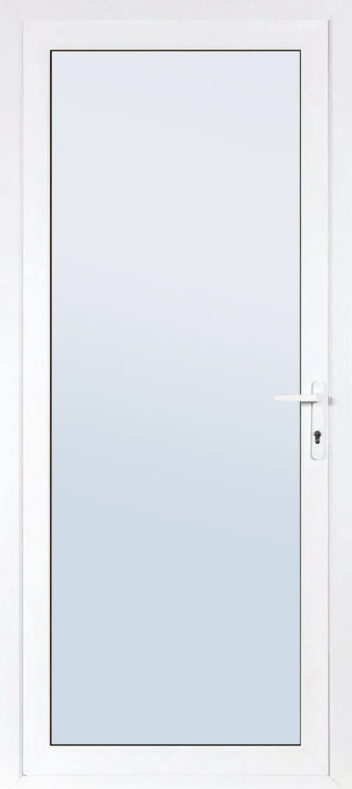
Hey there! As a supplier of Aluminum Sliding Glass Doors, I've seen firsthand how a good lock can make a huge difference in the security and functionality of these doors. In this blog, I'm gonna walk you through the process of installing a lock on your aluminum sliding glass doors.
Why You Need a Good Lock
Before we dive into the installation process, let's talk about why having a reliable lock on your aluminum sliding glass doors is so important. First off, security is a major concern. Sliding glass doors are often a vulnerable point in a home's defenses, and a sturdy lock can deter potential intruders. Plus, it gives you peace of mind knowing that your home is more secure.
Secondly, a good lock can improve the energy efficiency of your doors. A properly installed lock helps to keep the doors tightly closed, reducing air leakage and keeping your home warmer in the winter and cooler in the summer.
Tools and Materials You'll Need
Alright, let's get started. Here's a list of tools and materials you'll need for this project:
- Screwdriver: You'll need both a flathead and a Phillips head screwdriver for most locks.
- Drill: A power drill will make the job go much faster, but a hand drill will work in a pinch.
- Measuring Tape: Accurate measurements are crucial for a proper installation.
- Pencil: Use a pencil to mark the spots where you'll be drilling and screwing.
- Lock Kit: Make sure you choose a lock that's specifically designed for aluminum sliding glass doors. You can find these at your local hardware store or online.
Step 1: Choose the Right Lock
The first step in installing a lock on your aluminum sliding glass doors is to choose the right one. There are several types of locks available, each with its own features and benefits.
- Keyed Locks: These are the most common type of locks for sliding glass doors. They offer a high level of security and can be easily locked and unlocked with a key.
- Keyless Locks: Keyless locks are becoming increasingly popular. They use a combination of numbers or a fingerprint scanner to unlock the door, eliminating the need for a key.
- Surface-Mounted Locks: These locks are mounted on the surface of the door and are easy to install. They're a good option if you're looking for a simple and affordable lock.
- Mortise Locks: Mortise locks are more secure than surface-mounted locks, but they're also more difficult to install. They require a recess to be cut into the door for the lock to fit into.
When choosing a lock, consider your security needs, budget, and personal preferences. If you're not sure which lock is right for you, ask a professional at your local hardware store for advice.
Step 2: Measure and Mark the Door
Once you've chosen the right lock, it's time to measure and mark the door. Start by measuring the height and width of the door to make sure the lock will fit properly. Then, use a measuring tape and a pencil to mark the spots where you'll be drilling and screwing.
Most locks come with a template that you can use to mark the door. Simply place the template on the door and trace around it with a pencil. Make sure the template is level and centered before you start marking.
Step 3: Drill the Holes
After you've marked the door, it's time to drill the holes. Use a drill bit that's the same size as the screws that came with the lock. Start by drilling a small pilot hole at each marked spot. This will help prevent the wood from splitting when you insert the screws.
Once you've drilled the pilot holes, use the drill to enlarge them to the appropriate size. Make sure the holes are straight and evenly spaced.
Step 4: Install the Lock
Now it's time to install the lock. Start by inserting the screws into the holes in the door. Then, place the lock on the door and align the holes in the lock with the holes in the door. Use a screwdriver to tighten the screws and secure the lock in place.
Make sure the lock is level and centered before you tighten the screws all the way. If the lock is not level, it may not work properly.


Step 5: Test the Lock
Once you've installed the lock, it's important to test it to make sure it's working properly. Try locking and unlocking the door several times to make sure the lock engages and disengages smoothly.
If the lock doesn't work properly, check to make sure the screws are tightened securely and that the lock is properly aligned. You may need to adjust the position of the lock or the screws to get it to work correctly.
Step 6: Install a Secondary Lock (Optional)
For added security, you may want to consider installing a secondary lock on your aluminum sliding glass doors. A secondary lock can provide an extra layer of protection and make it more difficult for intruders to break in.
There are several types of secondary locks available, including:
- Bar Locks: These locks are placed at the bottom of the door and prevent the door from sliding open.
- Pin Locks: Pin locks are inserted into a hole in the door frame and prevent the door from sliding open.
- Security Bars: Security bars are placed across the door and prevent the door from being forced open.
Installing a secondary lock is similar to installing the primary lock. Follow the same steps as above to measure, mark, drill, and install the secondary lock.
Conclusion
Installing a lock on your aluminum sliding glass doors is a relatively simple project that can be completed in a few hours. By following these steps, you can improve the security and functionality of your doors and give yourself peace of mind knowing that your home is more secure.
If you're in the market for Aluminum Sliding Glass Doors, Aluminium Slimline Sliding Doors, or Slimline Aluminium Sliding Doors, I'd love to help. Contact us today to learn more about our products and how we can meet your needs.
References
- Home Depot. (n.d.). How to Install a Sliding Glass Door Lock. Retrieved from [Website URL]
- Lowe's. (n.d.). Installing a Sliding Glass Door Lock. Retrieved from [Website URL]