


Hey there! As a supplier of Slimline Bifold Doors, I often get asked about the noise reduction level of these stylish and functional doors. In this blog post, I'm gonna break down everything you need to know about how well slimline bifold doors can keep the outside noise at bay.
First off, let's understand what slimline bifold doors are. These are the Slim Frame Bifold Doors that are known for their sleek and modern design. They feature a narrow frame profile, which not only gives a contemporary look but also offers several practical benefits. One of those benefits is noise reduction, but to understand how good they are at it, we need to look at a few key factors.
Factors Affecting Noise Reduction
1. Material
The material of the door plays a huge role in its noise - reducing capabilities. Most of our slimline bifold doors are made of high - quality aluminum. Aluminum itself is a fairly good conductor of sound, but when it's used in the right way in our doors, it can be part of an effective noise - reduction system.
We use advanced manufacturing techniques to insulate the aluminum frames. This insulation helps to dampen the sound waves that try to pass through the frame. The insulation material inside the frame acts as a barrier, absorbing and reflecting the sound energy, thus reducing the amount of noise that enters your space.
2. Glass
The glass used in our Best Aluminium Bifold Doors is another crucial element. We typically use double or triple - glazed glass in our slimline bifold doors. Double - glazed glass consists of two panes of glass separated by a layer of air or an inert gas like argon. This gap between the panes acts as an insulator.
Sound waves have a harder time passing through this multi - layer structure. When a sound wave hits the outer pane of glass, part of its energy is reflected back, and the rest tries to pass through the air or gas layer. The gas layer further slows down and disperses the sound waves. Triple - glazed glass, with three panes and two insulating layers, offers even better noise reduction.
3. Sealing
A well - sealed door is essential for noise reduction. Our slimline bifold doors are designed with high - quality seals around the edges. These seals prevent air and sound from leaking in through the gaps between the door panels and the frame.
The seals are made of rubber or other flexible materials that create a tight fit when the doors are closed. They compress against the frame and each other, creating a barrier that blocks the sound from entering. Even small gaps can let in a significant amount of noise, so our attention to detail in sealing is a key factor in achieving good noise reduction.
Measuring Noise Reduction
The noise reduction level of doors is usually measured in decibels (dB). A higher decibel rating means better noise reduction. Our slimline bifold doors can typically achieve a noise reduction of around 30 - 40 dB.
To put this into perspective, normal conversation is around 60 dB. With a 30 - 40 dB noise reduction from our doors, if there's a noisy street outside with a sound level of 80 dB, the sound inside your room would be reduced to around 40 - 50 dB, which is a much more comfortable and quiet environment.
Real - World Applications
Let's think about some real - world scenarios where the noise reduction of our slimline bifold doors can make a big difference.
Residential Use
In a home, these doors are great for bedrooms and living rooms. If you live near a busy road, railway line, or an airport, the noise can be a real nuisance. Installing our Grey Bifold Doors in your bedroom can create a peaceful sleeping environment. You'll be able to sleep better without being disturbed by the outside noise.

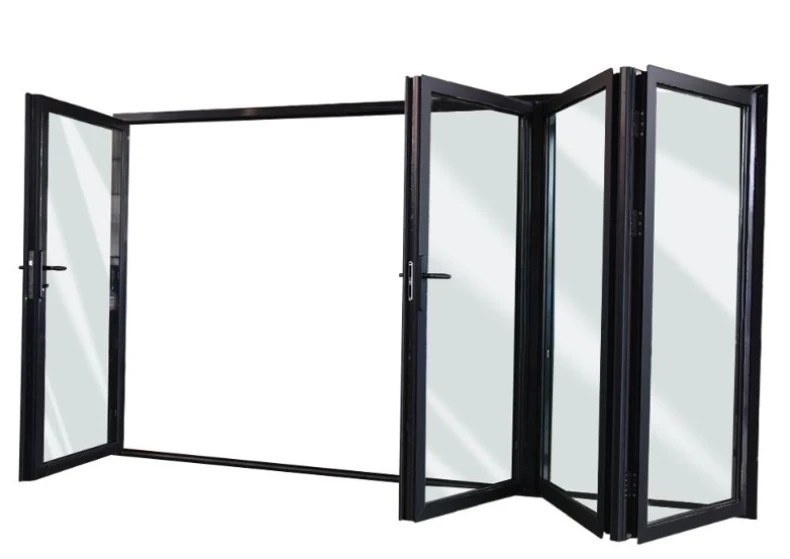
In the living room, it allows you to enjoy your TV shows, music, or conversations without the interference of external noise. You can have a more relaxing and enjoyable time at home.
Commercial Use
For commercial spaces like offices, cafes, or restaurants, noise reduction is also important. In an office, it can improve productivity by reducing distractions. Employees can focus better on their work without the noise from the street or other parts of the building getting in the way.
In a cafe or restaurant, it creates a more pleasant dining experience for customers. They can have conversations without having to raise their voices over the outside noise.
Maintenance for Optimal Noise Reduction
To keep the noise - reducing capabilities of your slimline bifold doors at their best, regular maintenance is necessary.
Seal Checks
Periodically check the seals around the doors. Over time, the seals can wear out or get damaged. If you notice any cracks, tears, or signs of wear, it's important to replace them. A damaged seal can significantly reduce the noise - blocking ability of the doors.
Glass Cleaning
Keep the glass clean. Dirt and grime on the glass can actually affect its ability to insulate sound. Use a mild glass cleaner and a soft cloth to clean the glass regularly.
Frame Inspection
Inspect the frames for any signs of damage or corrosion. If the frame is damaged, it can compromise the insulation and the overall structure of the door, which may lead to reduced noise reduction.
Conclusion
So, there you have it! The noise reduction level of our slimline bifold doors is quite impressive, thanks to the combination of high - quality materials, advanced glass technology, and excellent sealing. Whether you're looking to create a quiet home environment or a more productive commercial space, our doors can meet your needs.
If you're interested in learning more about our slimline bifold doors or are thinking about making a purchase, I'd love to talk to you. We can discuss your specific requirements and help you choose the right doors for your space. Don't hesitate to reach out for a detailed consultation and let's start creating a quieter and more comfortable environment together.
References
- "Building Acoustics: Noise Control in Buildings" - A textbook on the principles of sound insulation in buildings.
- "Glass and Glazing Technology" - A resource that explains the properties and applications of different types of glass for noise reduction.


