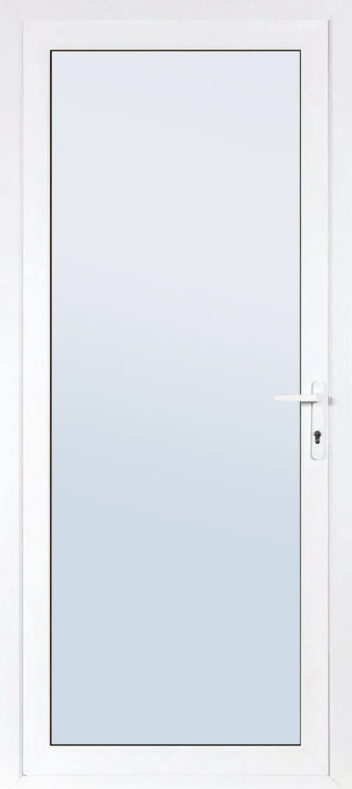
As a dedicated supplier of Aluminum Sliding Glass Windows, I often encounter inquiries about the types of glass used in these windows. The choice of glass is crucial as it significantly impacts the performance, durability, and aesthetic appeal of the windows. In this blog, I will delve into the various types of glass commonly used in aluminum sliding glass windows, their features, and benefits.
Float Glass
Float glass is one of the most basic and widely used types of glass in the window industry. It is produced by floating molten glass on a bed of molten tin, which results in a smooth and uniform surface. Float glass is known for its clarity and transparency, allowing for unobstructed views and maximum natural light transmission.
One of the main advantages of float glass is its affordability. It is a cost - effective option for aluminum sliding glass windows, making it suitable for budget - conscious customers. However, float glass has relatively low strength and is more prone to breakage compared to other types of glass. It also offers limited insulation properties, which means it may not be the best choice for energy - efficient windows.
Tempered Glass
Tempered glass is a type of safety glass that is processed through a heating and rapid cooling process. This treatment makes the glass stronger and more resistant to breakage than float glass. When tempered glass does break, it shatters into small, granular pieces rather than sharp shards, reducing the risk of injury.
Tempered glass is commonly used in aluminum sliding glass windows, especially in areas where safety is a concern, such as in residential and commercial buildings. It is also suitable for larger windows, as it can withstand greater wind pressure and thermal stress. Additionally, tempered glass offers better insulation properties than float glass, which can help reduce energy costs.
Laminated Glass
Laminated glass consists of two or more layers of glass bonded together with a polyvinyl butyral (PVB) interlayer. This interlayer holds the glass fragments together when the glass is broken, preventing them from falling out and causing injury. Laminated glass is often used in applications where security and noise reduction are important, such as in high - rise buildings and areas near busy roads.
In addition to its safety and security features, laminated glass also offers excellent sound insulation. The PVB interlayer absorbs sound waves, reducing the amount of noise that enters the building. It also provides some protection against UV rays, which can fade furniture and carpets over time.
Insulated Glass Units (IGUs)
Insulated glass units, also known as double - or triple - glazed windows, consist of two or three panes of glass separated by a spacer and sealed around the edges. The space between the glass panes is filled with air or an inert gas, such as argon or krypton, which acts as an insulator.
IGUs are highly energy - efficient, as they reduce heat transfer through the window. This can lead to significant savings on heating and cooling costs, especially in regions with extreme climates. They also provide better sound insulation than single - pane windows, making them a popular choice for homes and offices located in noisy areas.
When choosing an IGU for aluminum sliding glass windows, it is important to consider the type of gas used in the unit and the thickness of the glass panes. Argon gas is a common choice as it is inexpensive and provides good insulation properties. Krypton gas, on the other hand, is more expensive but offers better insulation, especially for thinner glass panes.
Low - E Glass
Low - emissivity (Low - E) glass is a type of coated glass that has a thin, invisible layer of metal or metal oxide applied to its surface. This coating reflects infrared radiation, reducing the amount of heat that is transferred through the window. Low - E glass can be used in combination with other types of glass, such as IGUs, to enhance their energy - efficiency.
There are two main types of Low - E glass: hard - coat and soft - coat. Hard - coat Low - E glass is more durable and scratch - resistant, making it suitable for applications where the glass may be exposed to harsh conditions. Soft - coat Low - E glass, on the other hand, offers better energy - efficiency but is more delicate and requires special handling during installation.


Comparison of Different Glass Types
To help you choose the right type of glass for your aluminum sliding glass windows, here is a comparison of the different glass types based on their key features:
| Glass Type | Strength | Safety | Insulation | Sound Insulation | UV Protection | Cost |
|---|---|---|---|---|---|---|
| Float Glass | Low | Low | Low | Low | Low | Low |
| Tempered Glass | High | High | Medium | Medium | Low | Medium |
| Laminated Glass | High | High | Medium | High | High | High |
| Insulated Glass Units | Medium - High | Medium | High | High | Medium | Medium - High |
| Low - E Glass | Medium | Medium | High | Medium | Medium | Medium - High |
Conclusion
The choice of glass for aluminum sliding glass windows depends on several factors, including your budget, the location of the building, and your specific requirements for safety, energy - efficiency, and sound insulation. As a [Your Company Type] supplier, I can help you select the most suitable glass type for your project. Whether you need a cost - effective option or a high - performance solution, I have the expertise and products to meet your needs.
If you are interested in purchasing aluminum sliding glass windows or have any questions about the glass types, please feel free to [Contact Method]. I look forward to discussing your project and providing you with a customized solution.
References
- Glass Association of North America. (n.d.). Types of Glass. Retrieved from [Website URL]
- International Window Film Association. (n.d.). Benefits of Window Film. Retrieved from [Website URL]
- National Fenestration Rating Council. (n.d.). Energy - Efficient Windows. Retrieved from [Website URL]